













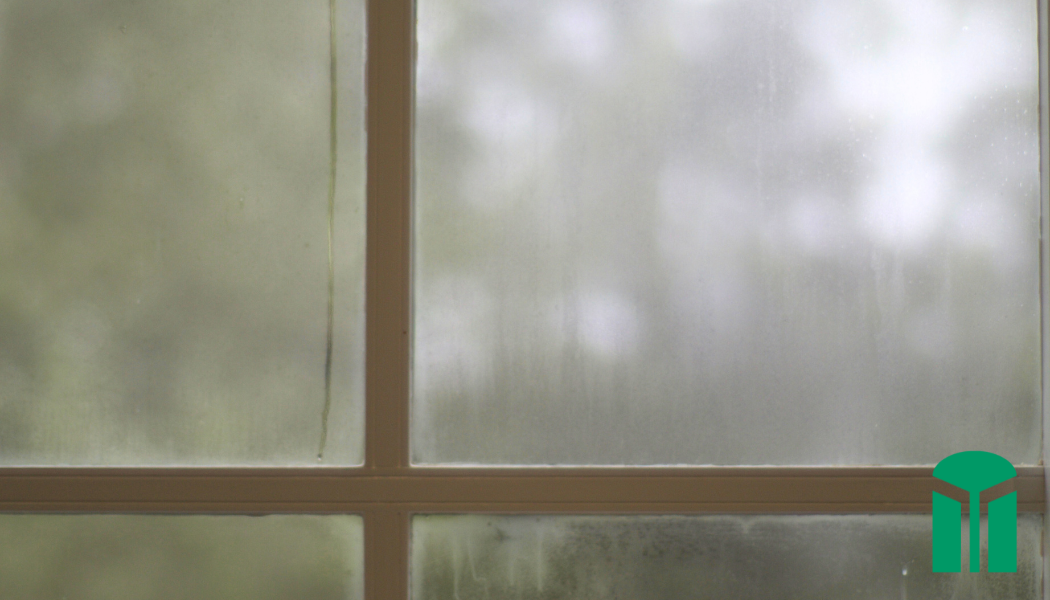
Fog on your windows is an indicator of poor insulation. When the seal around your window
begins to deteriorate, insulation becomes a problem. And thus, you now have a fog problem.
If your window is properly insulated, it should prevent fog from appearing. Here are some ways
you can prevent fog in your home.
Invest in energy-efficient windows.
First and foremost, if you are in the market for a new window, make sure you are investing in
energy-star-rated windows.Having an energy-star-rated window allows you to know that the
quality of your window is protecting your home. At Minnkota windows, we have a wide range
of energy-efficient windows for you to select from. From our Euro Tilt & Turn Series to our
sliding patio doors, we guarantee we are providing you with the best energy-efficient products.
If you already have energy-efficient windows, they should be lasting decades. The next thing
to check if you are noticing fog is your ventilation.
Proper ventilation throughout your home.
Having good air circulation throughout the home can help prevent fog. Even during the winter,
keep a fan running at a low speed. This helps prevent air from sticking to your windows.
Another way to help the ventilation throughout your home is a dehumidifier. A dehumidifier
removes extra moisture from the air.
If you have checked both of these boxes and you are still noticing a fog problem, you
probably have a broken seal on your window. Broken seals can come from water exposure,
excess heat, or just normal wear and tear.
Check the seal around your windows.
The seal around your windows will inevitably decline over the years. Water exposure, excess
heat, and time all contribute to problems with your seal. That being said, there are ways you
can prevent this from happening.
Moisture and water exposure: After heavy rain or when the snow starts to melt, do a quick
check around your window seals. An excess of moisture or water around your windows is the
perfect way for a seal to begin breaking.
Excessive heat: Warm air expands, leading to seals expanding and cracking. Every summer
take the time to check around your windows. One extremely hot day in direct sunlight won't do
any damage, but multiple could.
Time: Your window seals have to withstand a lot. Extreme cold and hot temperatures, opening
and closing of windows, rain, snow, and more. At some point, you will have a problem with your
seal. It is bound to happen.
Foggy windows can be a nuisance. The good news is that it's probably not from a faulty window.
If anything, it is probably because of a window seal. Before that though, it is important to check
on other factors that may be contributing to the problem. Normal wear and tear is normal, but if
you have a more persistent problem, get in touch with one of our specialists at
Minnkota Windows for a quote on new windows.